
Buffer vs. Acid: How Adjusting Water Alkalinity Fixes Sour Shots in Portable Manual Espresso Makers
When you brew on the trail, your water source matters just as much as your gear. If you are using off-grid equipment like the
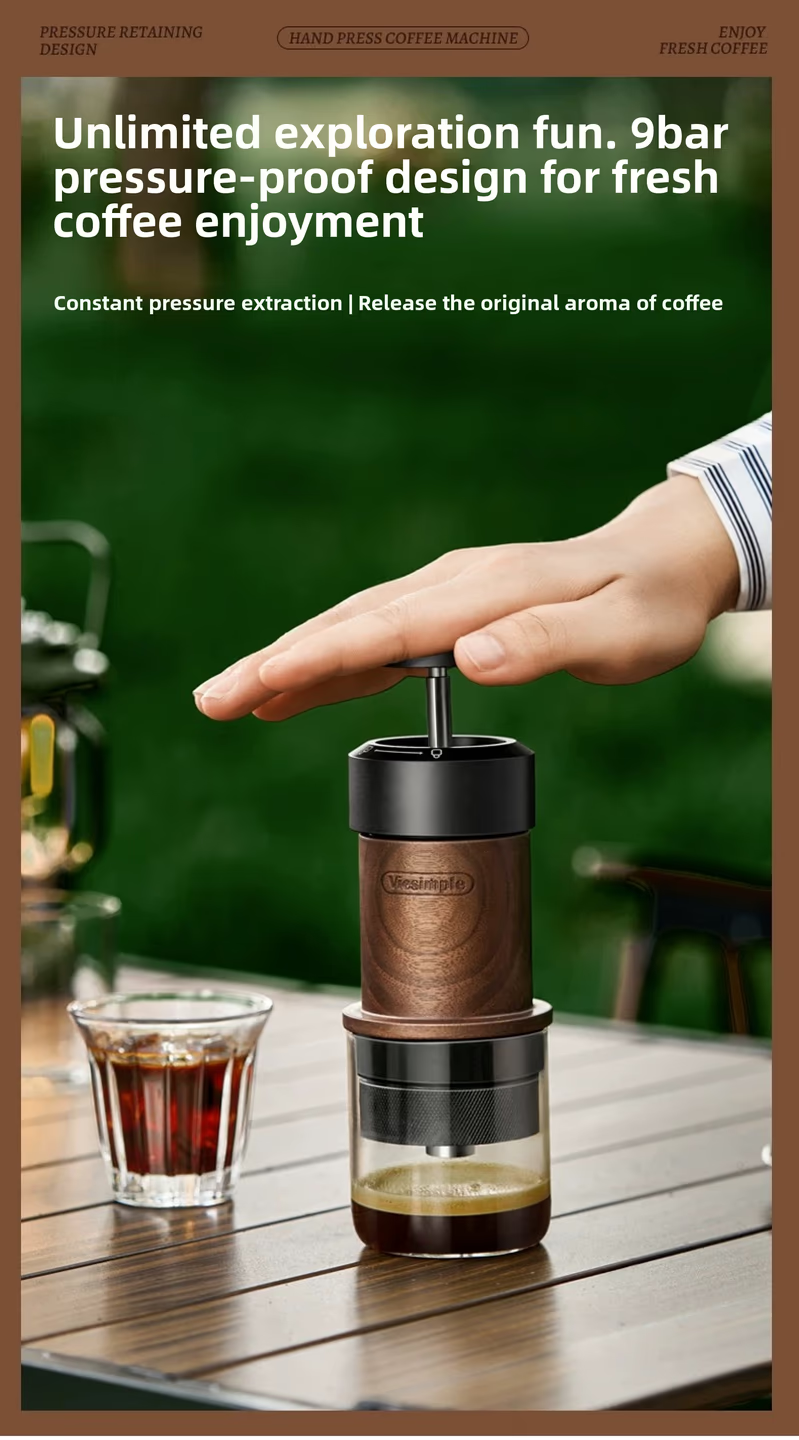
Nomads - Pulse
$139.00
Shop Now →Buffer vs. Acid: How Adjusting Water Alkalinity Fixes Sour Shots
Coffee naturally contains organic acids that give espresso its vibrant complexity. However, without enough dissolved minerals in your water to act as a "buffer," these acids dominate the cup, causing an overpowering sour taste.
Alkalinity measures your water’s ability to neutralize these sharp acids. Portable espresso makers often experience slight temperature loss compared to heavy commercial machines. Because lower brew temperatures extract fewer sweet compounds, low-alkalinity water makes temperature drops taste significantly worse. Water with an alkalinity below 40 ppm lacks the buffering capacity needed to smooth out bright extractions.
Dialing In Water Chemistry on the Go
To eliminate harsh sourness without grinding absurdly fine, you must increase your water's buffer capacity:
1. Remineralize Pure Water: If using distilled or RO water, add a tiny dose of potassium bicarbonate or baking soda to bring alkalinity into the ideal 50–80 ppm range. 2. Neutralize Excess Brightness: The bicarbonate ions interact with coffee acids during extraction, muting harsh sourness and revealing rich caramel notes.
When you combine properly buffered water with streamlined hardware like the
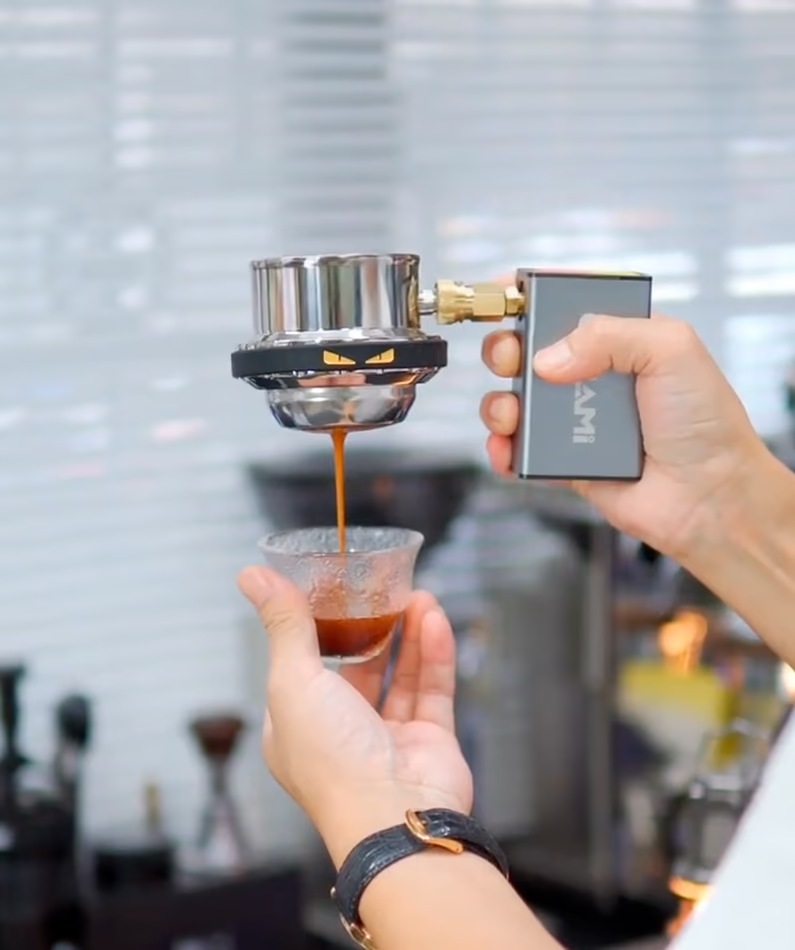
Pneumatic - Mini
$109.00
Shop Now →By taking control of buffer vs. acid in your water, you eliminate sour shots for good, turning every remote manual brew into a true cafe-quality triumph.
Got questions? Want to chat about your perfect espresso setup?