
The Deep-Freeze Grind: How Sub-Zero Temperatures Impact Manual Grinders for Winter Camp Espresso
Sub-zero temperatures shrink metal burrs, alter bean brittleness, and create intense static friction. When steel contracts, your grind size tightens unexpectedly, putting extra strain on your manual crank. That’s why pairing your setup with ultra-reliable, power-free gear like the
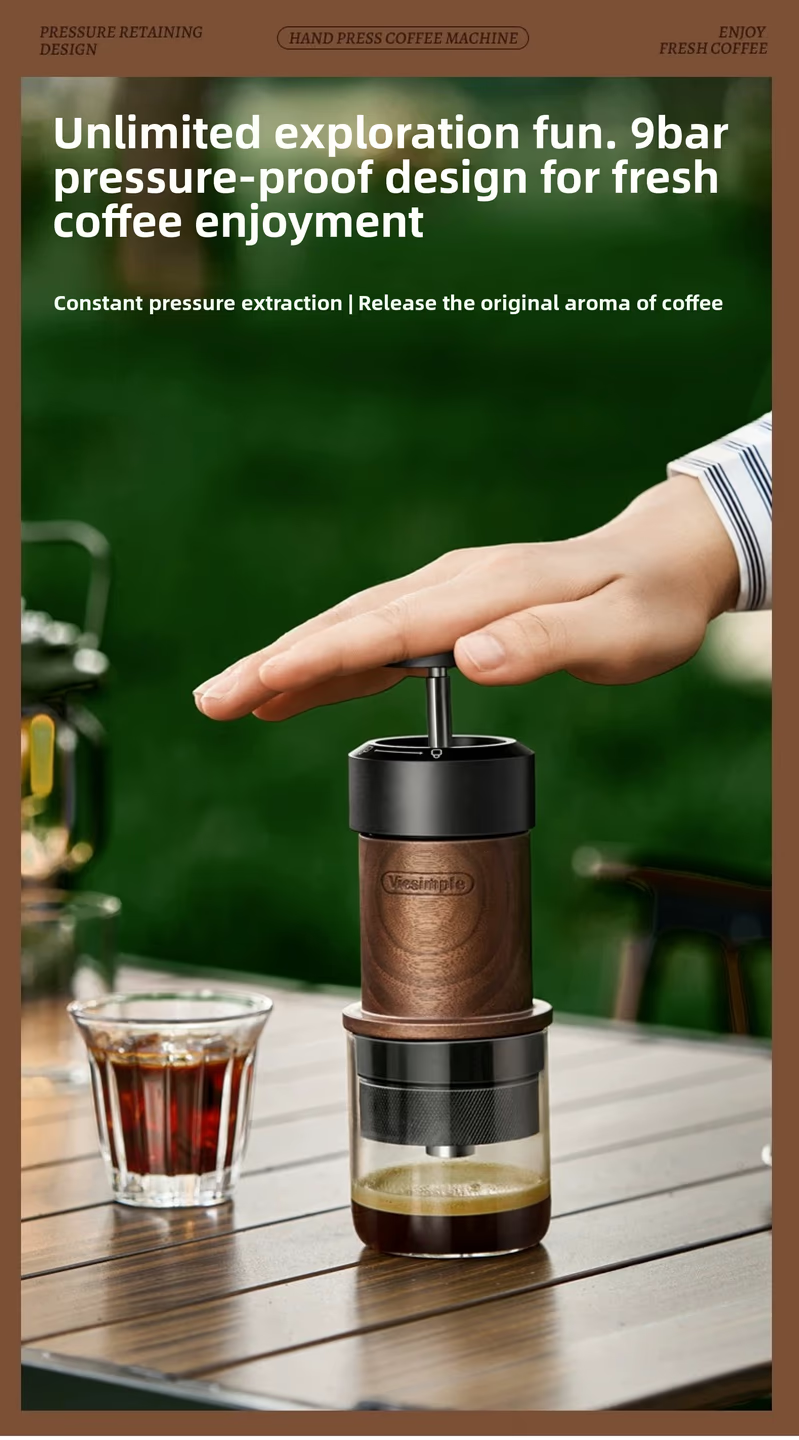
Nomads - Pulse
$139.00
Shop Now →Mastering The Deep-Freeze Grind for Sub-Zero Winter Camp Espresso
Freezing air turns coffee beans extremely brittle. When your steel burrs crush these frozen beans, they shatter into excessive fine particles ("fines"), which can easily clog your basket and stall your extraction.
During one frosty dawn on the trail, my fingers were far too numb to deal with complicated equipment, proving that simplicity is king in extreme weather. To counter thermal shrinkage and bean shatter, always coarsen your manual grind setting by one or two clicks before stepping into the freeze. Keeping your grinder inside your jacket to pre-warm the burrs with body heat also helps maintain consistent particle distribution.
Once your beans are prepped, you need a fast, hassle-free way to extract before your water temperature drops. For these brutal conditions, I rely on the
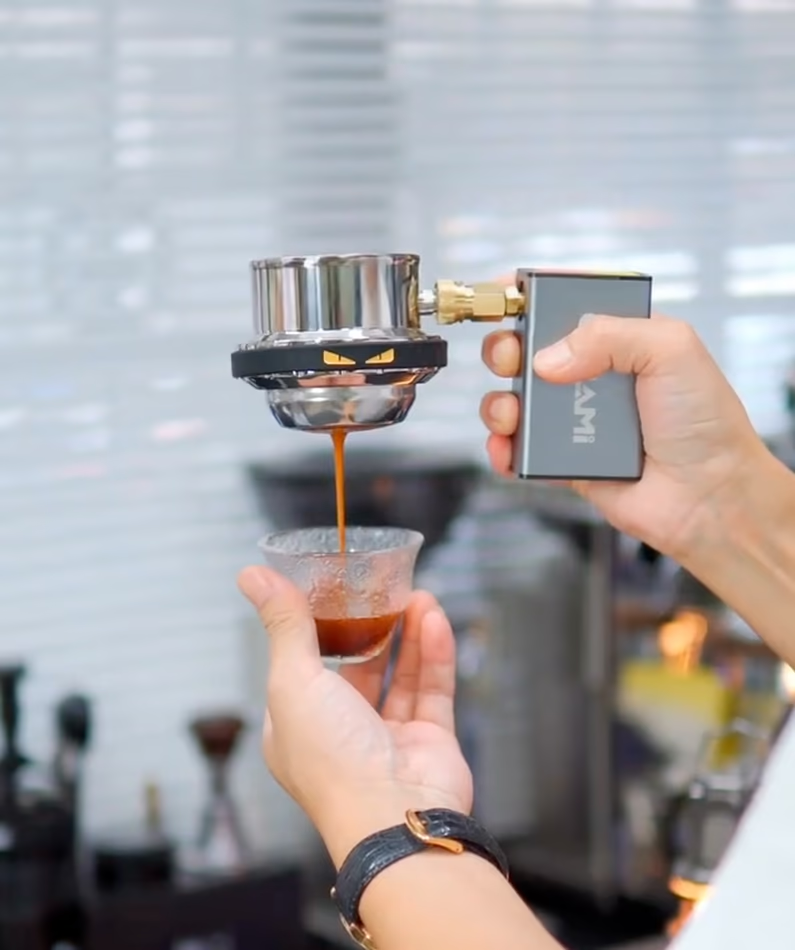
Pneumatic - Mini
$109.00
Shop Now →Winter Trail Espresso Success
Don't let dropping temperatures stop your ritual. By anticipating burr contraction, adjusting your grind coarser, and using streamlined portable gear, you can master the sub-zero grind and enjoy incredible camp espresso anywhere the trail takes you.
Got questions? Want to chat about your perfect espresso setup?