

The Espresso Puck Resistance Test: How to Diagnose Your Grind Size Without a Pressure Gauge
I remember standing on a freezing mountain ridge in Oregon, testing prototype gear while the wind howled. I had no digital sensors, just my hands on the press. If you're pulling shots with a manual brewer like the
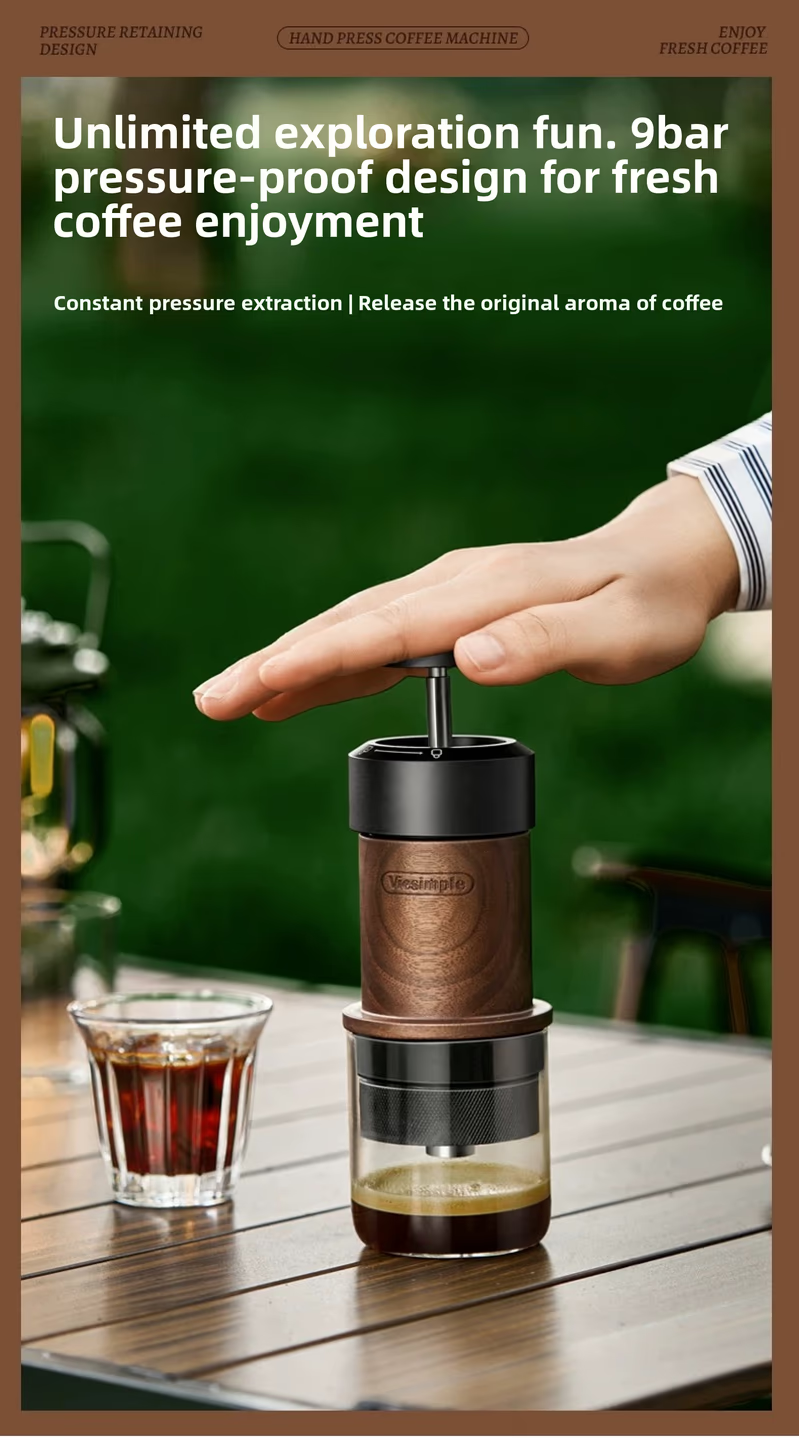
Nomads - Pulse
$139.00
Shop Now →Mastering The Espresso Puck Resistance Test
To execute this test, pay attention to the exact physical force required during your manual press:
Too Coarse (Zero Resistance): If the piston drops effortlessly with almost no pushback, your grind is too coarse. Water channels straight through the grounds, resulting in a sour, thin, and watery shot. Too Fine (The Brick Wall): If you have to strain your entire upper body just to push a few drops out, your grind is too fine. You risk choking the brewer entirely or extracting harsh, burnt flavors. * The Sweet Spot (Velvety Resistance): You want a firm, smooth, and consistent push—similar to pressing a plunger through warm honey or thick syrup.
When pushing your setup to the limit with gear like the
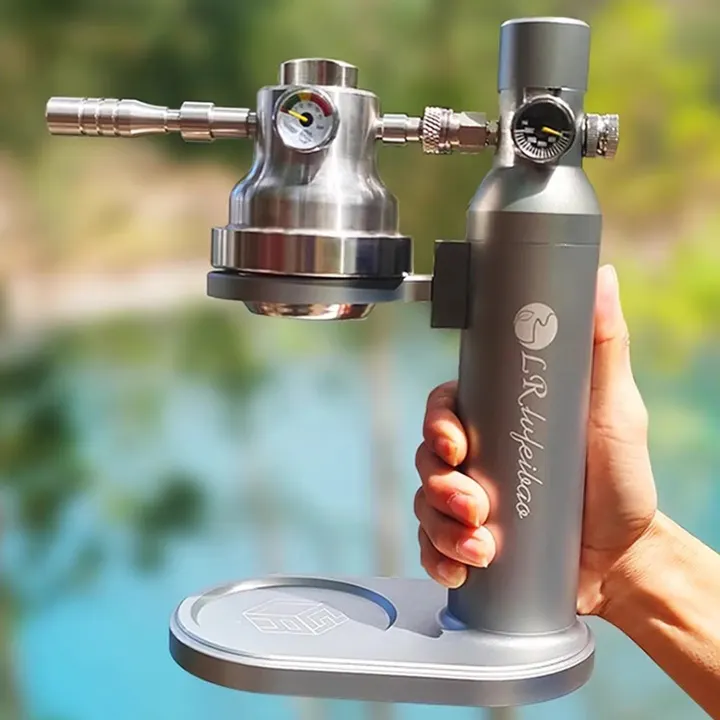
Pneumatic - Ultra
$299.00
Shop Now →Dialing It In on the Go
Once you gauge the resistance, make quick micro-adjustments on your hand grinder. Water flowing too fast? Adjust finer. Lever barely moving? Coarsen it up a notch. Once you master reading the coffee bed with your own hands, you can pull cafe-quality espresso anywhere in the world.
Got questions? Want to chat about your perfect espresso setup?