The Food-Safe Lubricant Guide: How and When to Grease Your Manual Espresso Piston for a Smoother Pull
When I was testing early prototypes in the back of my dusty overland rig in Utah, a sticky piston almost ruined a cold desert morning. Maintenance is everything. For instance, our off-grid companion, the
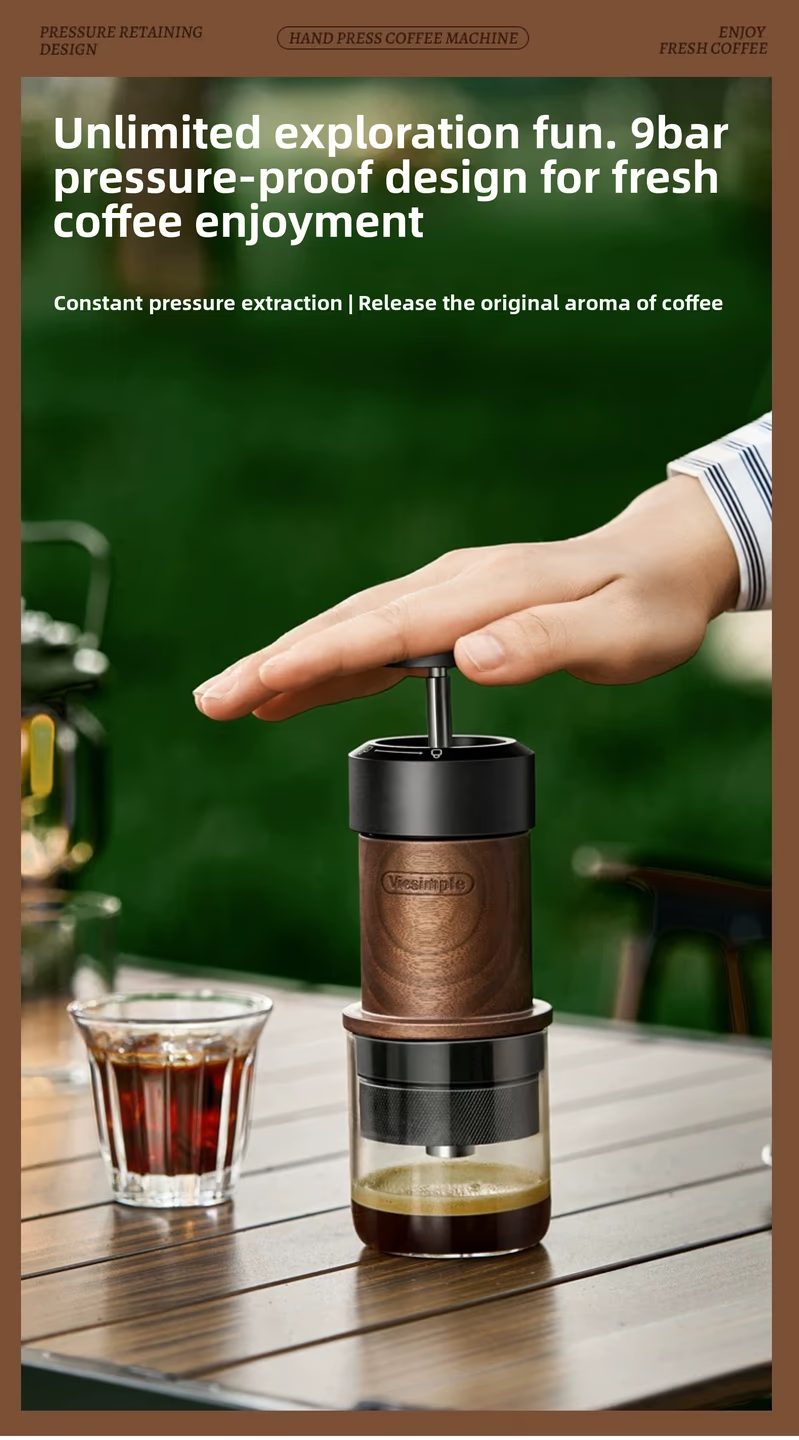
Nomads - Pulse
$139.00
Shop Now →The Food-Safe Lubricant Guide: What to Use
When greasing your manual espresso piston, you must use a 100% food-safe, high-temperature silicone lubricant (such as Molykote 111 or Haynes Lubri-Film). These are NSF H1 food-grade certified, meaning they won't degrade under heat or contaminate your brew. Never use WD-40, petroleum jelly, or vegetable oils, as they will ruin your seals and go rancid.
To apply, pull the piston apart, wipe it clean, and apply a paper-thin layer of grease to the rubber O-rings. This maintenance is crucial for ultra-minimalist gear like the
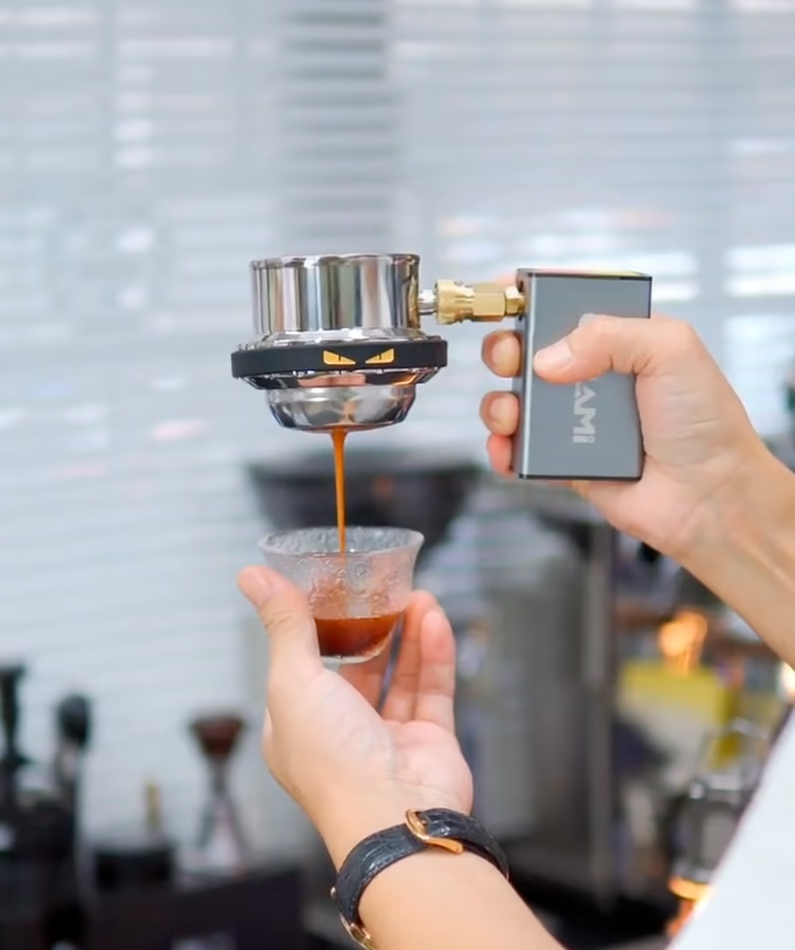
Pneumatic - Mini
$109.00
Shop Now →When to Grease Your Manual Espresso Piston
How do you know it's time for a lube job? Look out for these three signs: The Pull Feels Jerky: If the lever or press resists your force and then suddenly slips, friction is taking over. Squeaking Sounds: Any metallic or rubber-on-metal noise means the dry seals are rubbing. * Leaking Water: A dry O-ring can crack or fail to seal properly, letting water bypass the coffee puck.
As a rule of thumb, clean and lubricate your piston every 3 to 6 months depending on use. Keep your gear lubed, keep the pull smooth, and I'll see you out on the trail.
Got questions? Want to chat about your perfect espresso setup?