
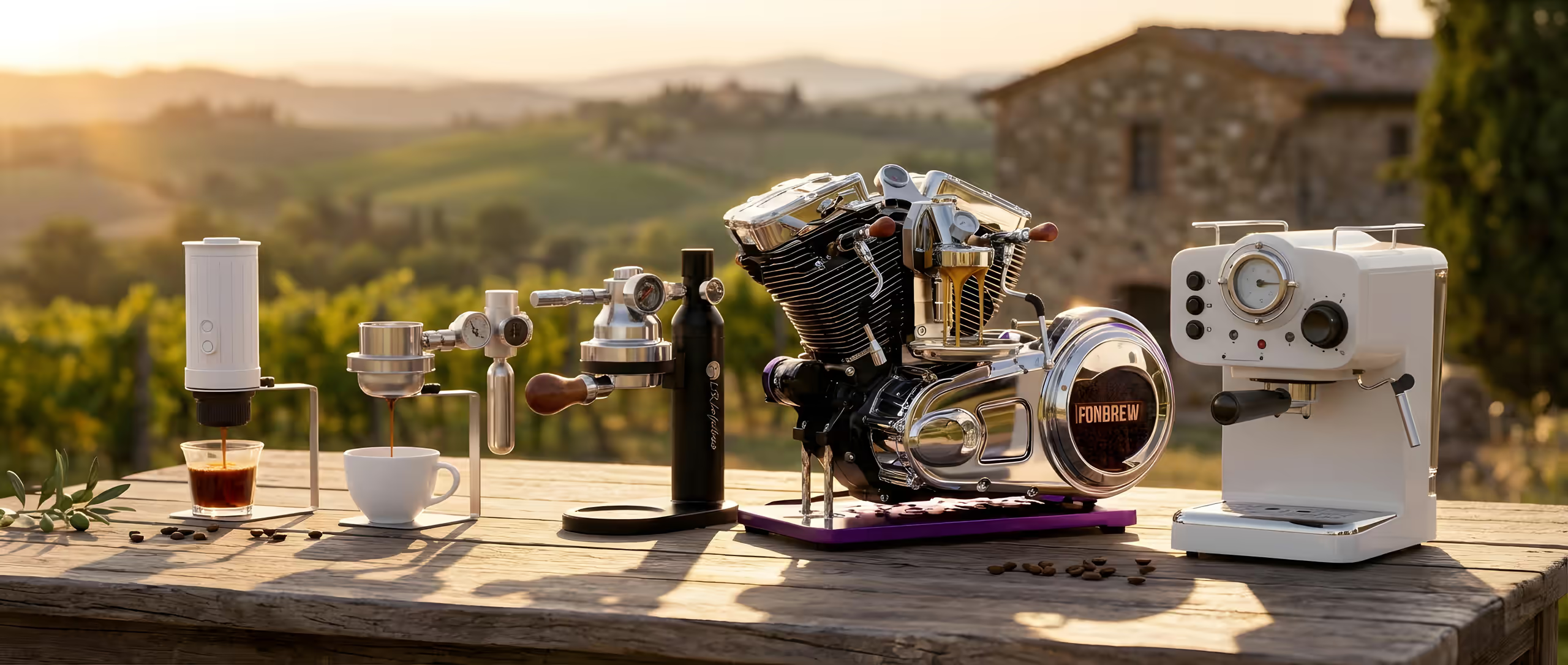

The Freshness Resistance Factor: How Coffee Roast Date Impacts Pumping Pressure in Manual Espresso
Freshly roasted beans are crammed with trapped carbon dioxide ($CO_2$). When hot water meets the grounds, that gas rapidly expands, creating intense backpressure in your portafilter. Last month while testing setups in the back of my rig, I noticed how fresh roasts instantly increase tactile feedback when brewing with off-grid tools like the
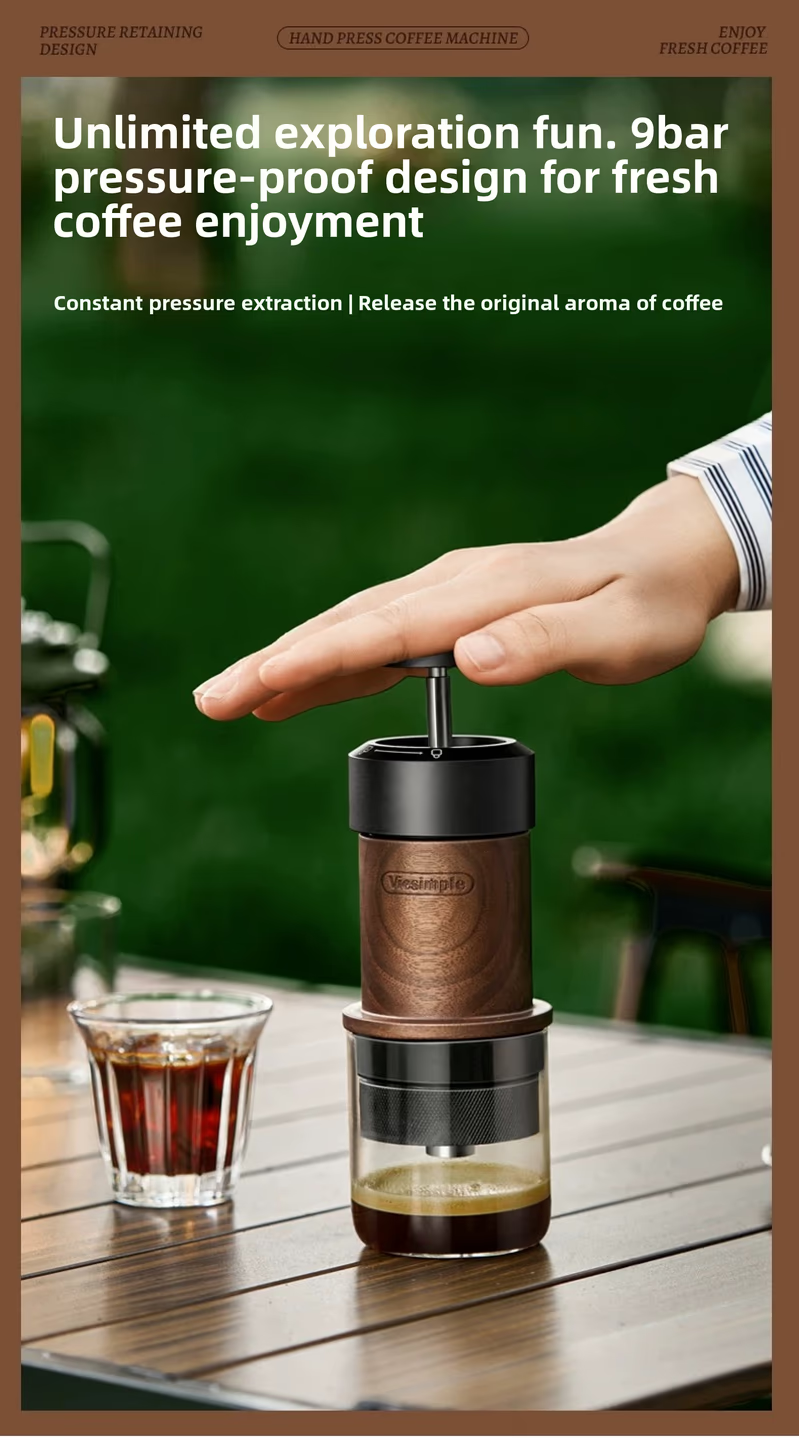
Nomads - Pulse
$139.00
Shop Now →The Freshness Resistance Factor: How Coffee Roast Date Impacts Pumping Pressure
How old your coffee is directly dictates how much muscle you need to push through the shot:
1–7 Days Post-Roast (Maximum Resistance): Peak degassing creates intense resistance. You'll need to apply significantly more force to maintain a steady flow, or risk choking the puck completely. 7–21 Days Post-Roast (The Sweet Spot): The $CO_2$ output stabilizes. Pumping pressure feels smooth, predictable, and delivers ideal extraction flow with rich crema. * 30+ Days Post-Roast (Low Resistance): As trapped gas dissipates, resistance collapses. Water rushes through the puck too fast, leading to weak, under-extracted shots unless you compensate with a much finer grind.
When you're dealing with aged beans on the trail, you need gear that keeps things streamlined while you adjust your technique. That’s where brutally simple equipment like the
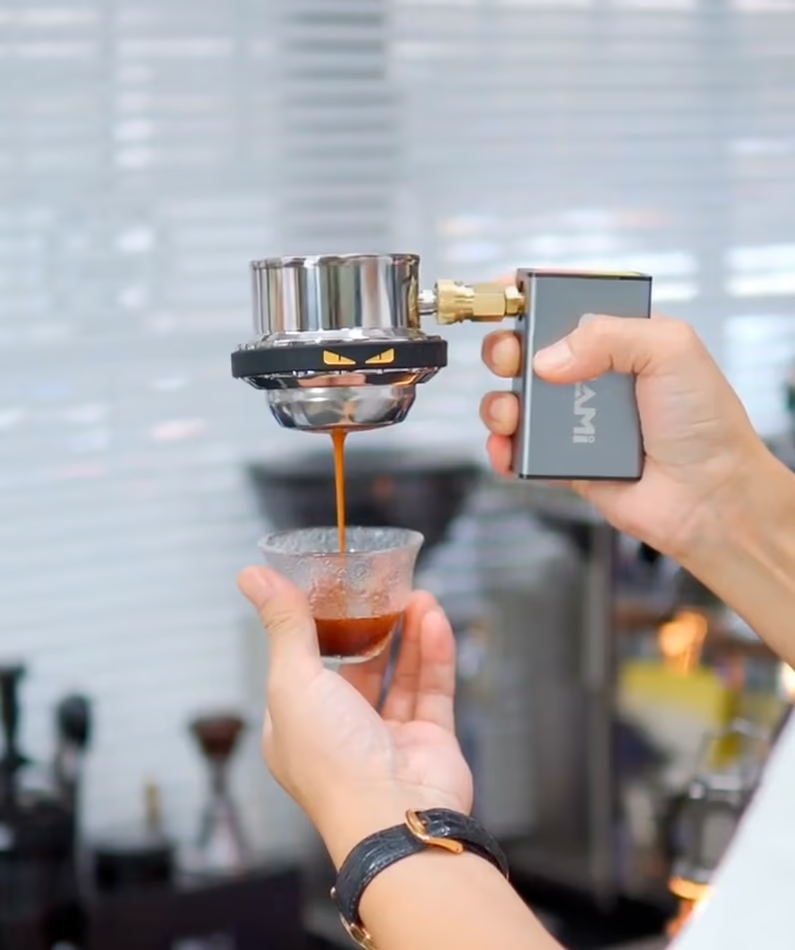
Pneumatic - Mini
$109.00
Shop Now →Master Your Manual Flow
Don't let changing resistance throw off your ritual. Pay attention to your roast dates, feel the pressure in your hands, and adjust your grind to match the beans. Keep pushing, keep exploring, and enjoy every drop!
Got questions? Want to chat about your perfect espresso setup?