
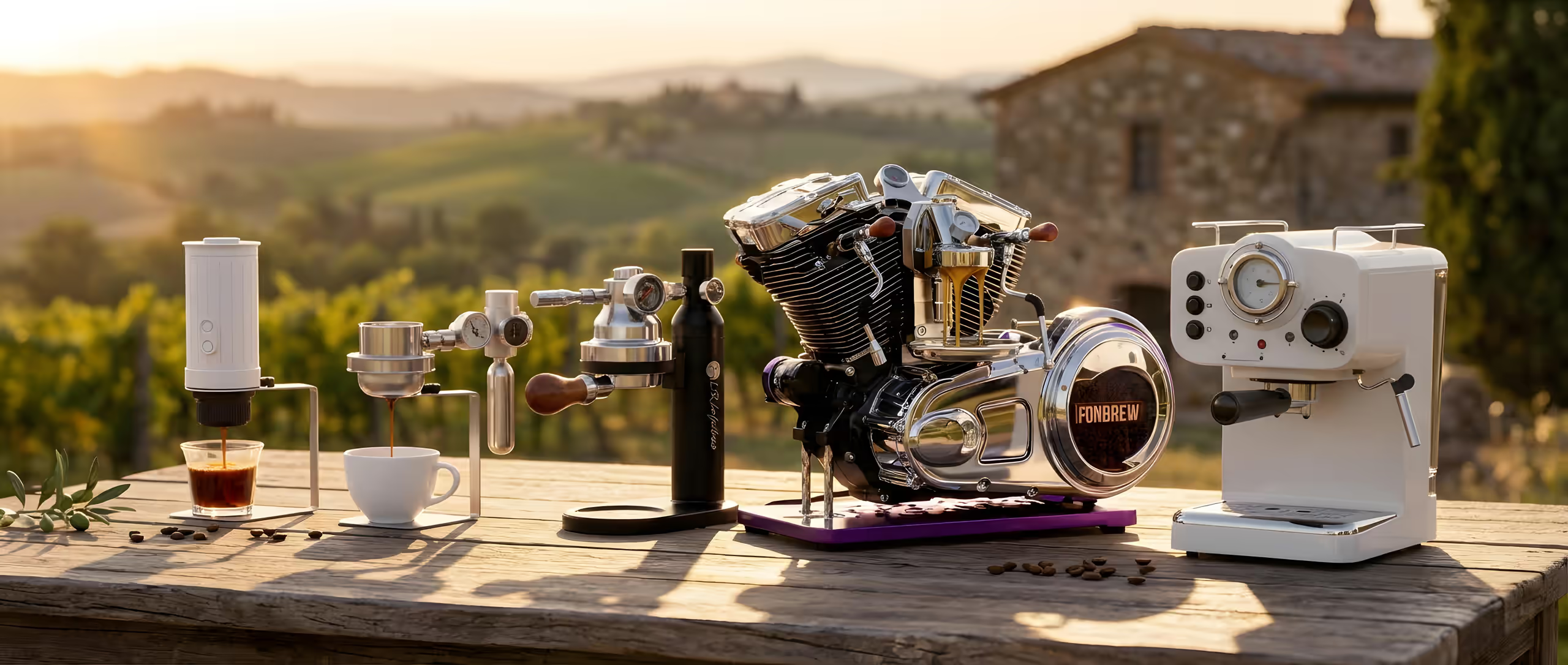

The High-Humidity Extraction Shift: How Fog and Coastal Climates Impact Manual Espresso Grind Sizes
When ambient humidity spikes, roasted coffee beans act like sponges. They rapidly absorb atmospheric moisture, causing the coffee particles to grind softer, clump together, and compact far more densely in the basket. To maintain control over your brew off-grid, you need a setup built for the elements, like the
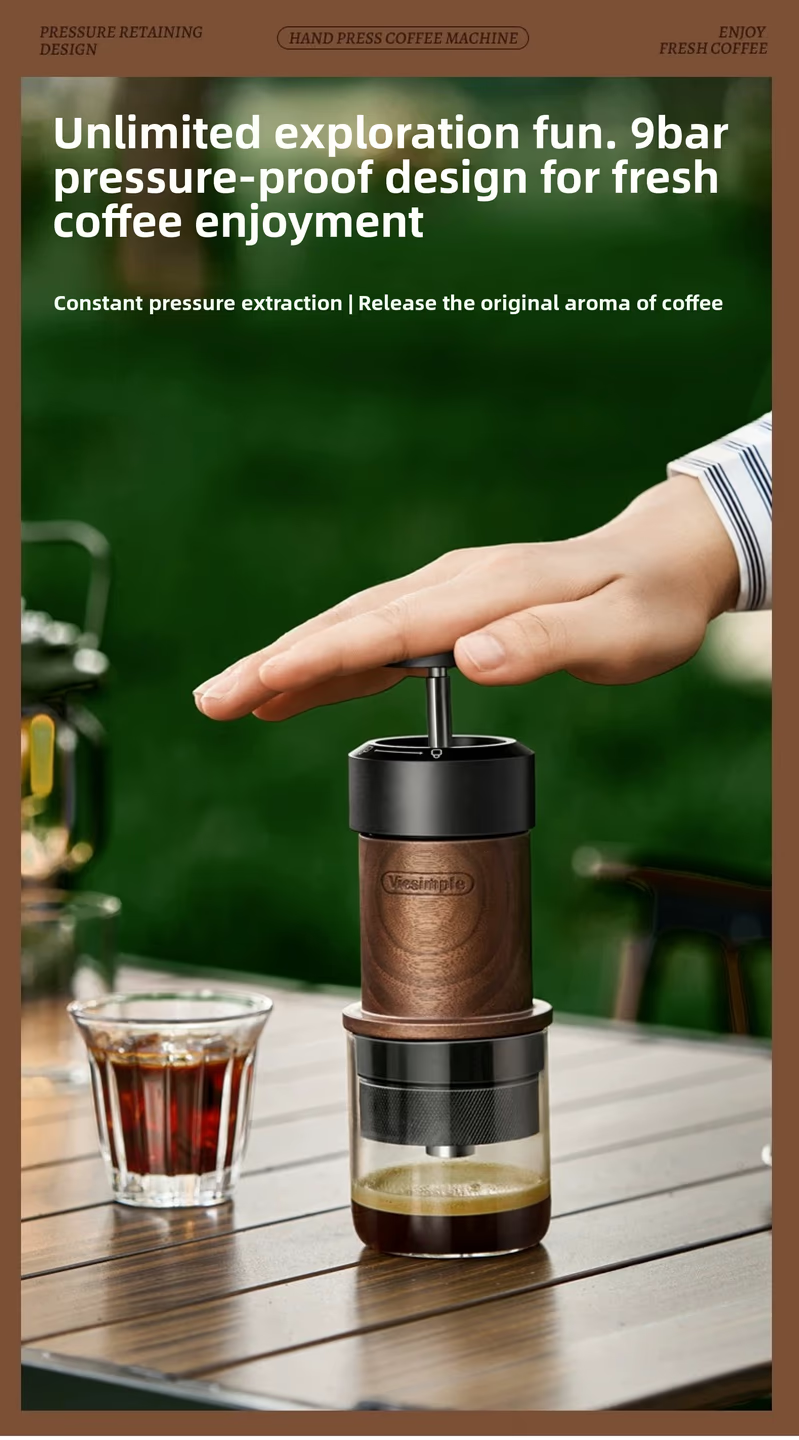
Nomads - Pulse
$139.00
Shop Now →The Science Behind The High-Humidity Extraction Shift
Understanding the high-humidity extraction shift comes down to density and water flow. Damp air introduces micro-moisture into your grinder burrs. This extra humidity creates finer fines and heavy clumping, effectively restricting water passage through your puck.
If you keep your dry-climate grind setting, the shot will run painfully slow, resulting in bitter, over-extracted espresso. To compensate, step your grind dial 1 to 2 notches coarser than your baseline home setting. This opens up the puck matrix and keeps your extraction time right in the sweet spot.
For serious coffee lovers who move between rugged coastlines and indoor setups, gear reliability is non-negotiable. I always recommend the
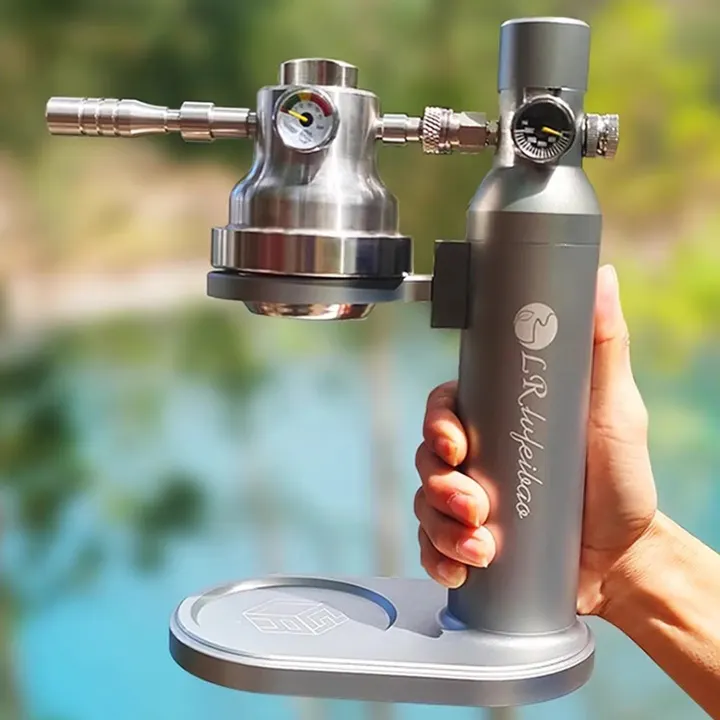
Pneumatic - Ultra
$299.00
Shop Now →Dialing In Your Coastal Brews
Don't let unpredictable weather ruin your espresso ritual. When the fog rolls in, adapt quickly:
Go coarser: Compensate for air moisture by adjusting your grind size up. WDT thoroughly: Use a distribution tool to break up humidity-induced clumps. * Trust the feel: Listen to your pressure feedback during the press.
By reading the environment and tweaking your grind, you can craft commercial-grade espresso anywhere your story takes you.
Got questions? Want to chat about your perfect espresso setup?