
The Low-TDS Snowmelt Blueprint: How to Mineralize Backcountry Water for 9-Bar Espresso
During a chilly alpine expedition last winter—another wild chapter in my ongoing ViBrew coffee story—I learned the hard way that pure melted powder yields a flat, sour extraction. To get true 9-bar performance off the grid, I began carrying pocket-sized mineral buffers to pair with the
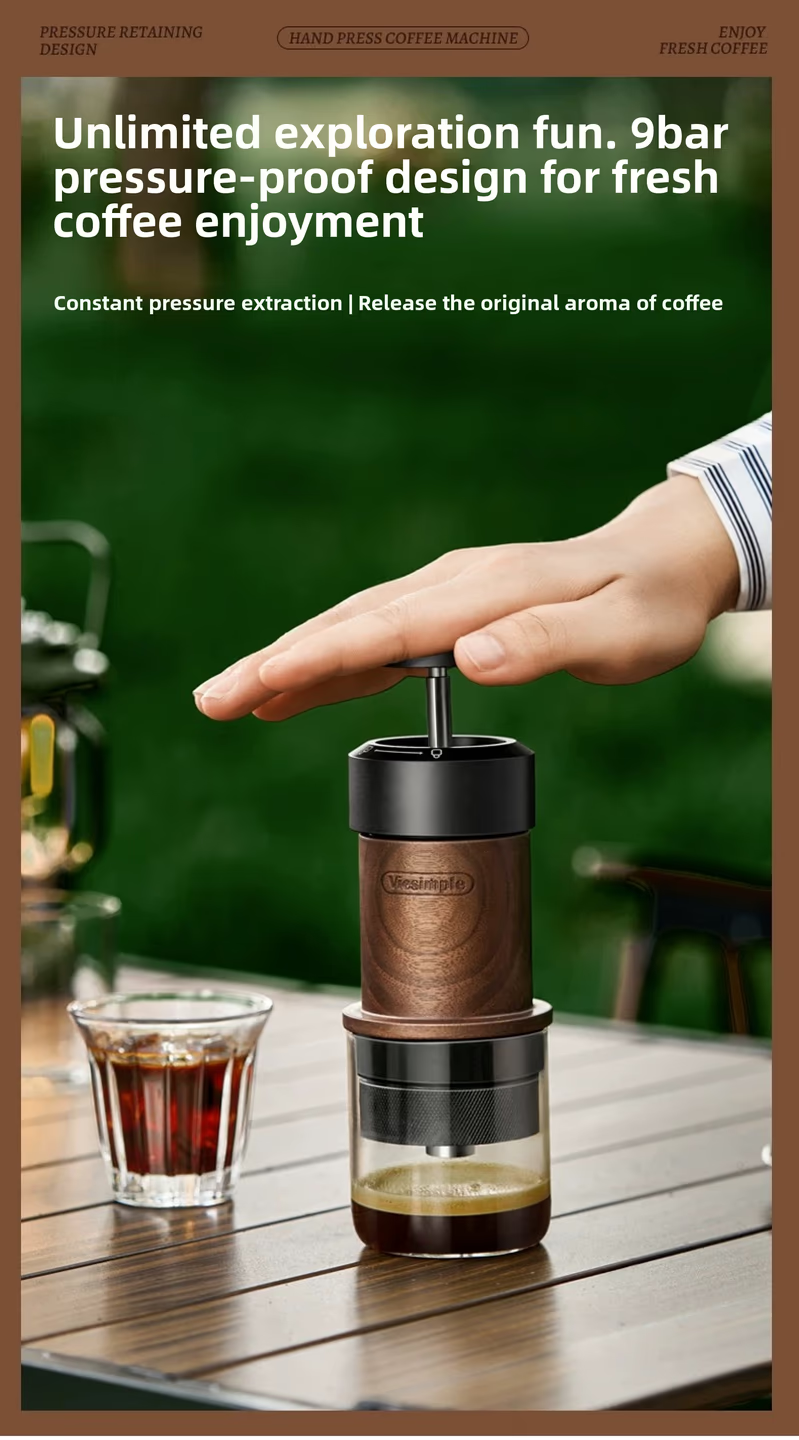
Nomads - Pulse
$139.00
Shop Now →The Low-TDS Snowmelt Blueprint for Backcountry Espresso
To turn flat, melted snow into optimal brewing water (aiming for roughly 120–150 ppm TDS), use this simple field technique:
1. Melt and Filter: Heat your snow to a boil and run it through a light filter to remove lingering sediment. 2. Buffer and Balance: Add a tiny pre-mixed pinch of magnesium sulfate (Epsom salt) for flavor extraction and sodium bicarbonate (baking soda) to tame sharp acidity.
Balancing your water chemistry changes everything. Once your snowmelt is mineralized, pulling rich espresso in cold environments becomes effortless.
If you want an effortless, self-contained setup on the trail, the
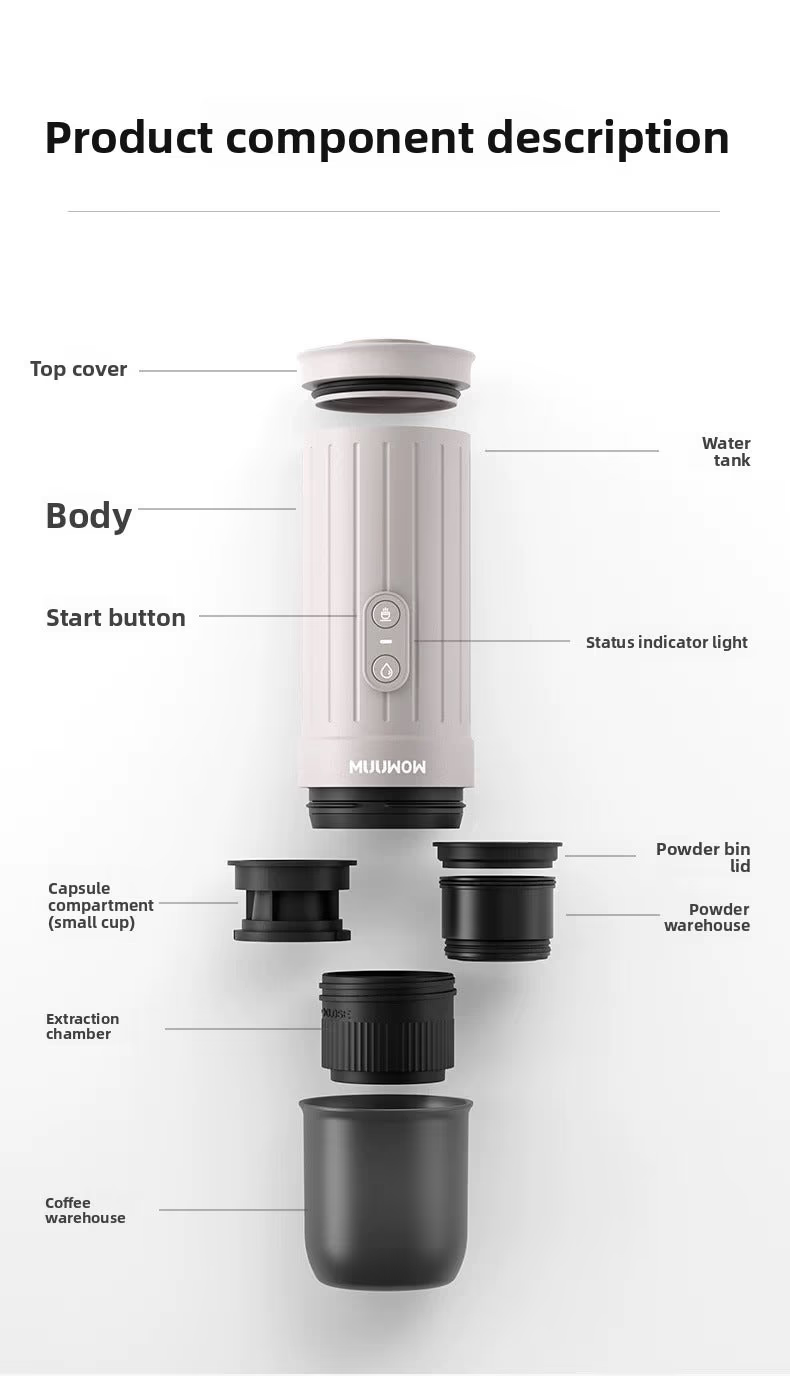
Nomads - Ember
$159.00
Shop Now →Peak Flavor on the Trail
Don't let empty snowmelt ruin your summit reward. By bringing a tiny mineral kit on your next trek, you can turn melted snow into high-grade water engineered for thick crema and full-bodied extraction anywhere on earth.
Got questions? Want to chat about your perfect espresso setup?