

The 'Piston Recoil' Test: How to Diagnose Air Chamber Pressure Loss in Portable Espresso Makers
When you're off the grid, your gear needs to deliver consistent mechanical force. If you rely on an off-grid brewer like the
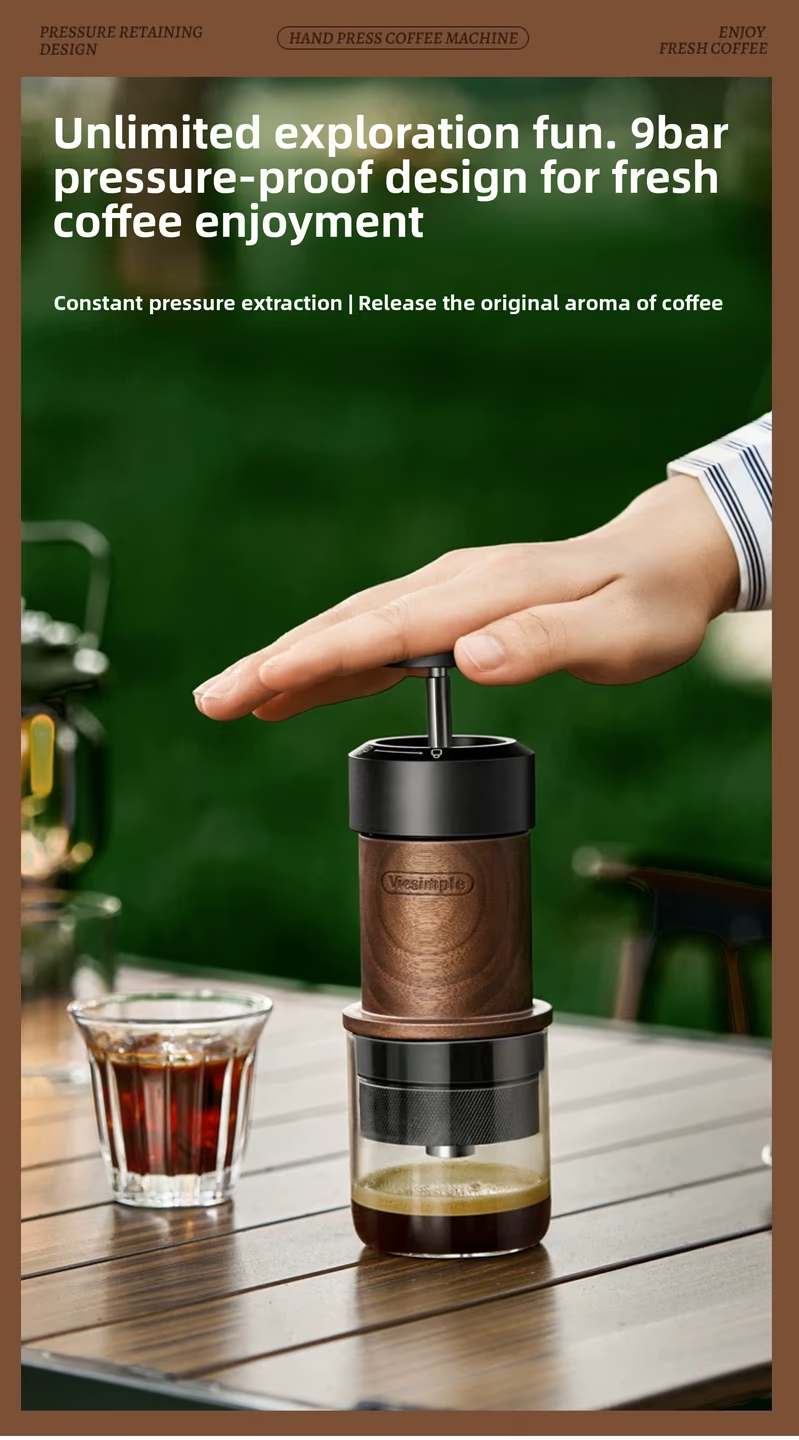
Nomads - Pulse
$139.00
Shop Now →Performing the 'Piston Recoil' Test to Spot Pressure Loss
Diagnosing a pressure leak is simple and requires zero tools. First, lock your brewer’s air chamber without loading coffee grounds. Pump or press the piston handle down halfway to build internal resistance. Hold it firmly for three seconds, then carefully release your grip.
Healthy Seal: The piston should spring back sharply. This strong "recoil" proves your internal seals are holding airtight pressure. Pressure Leak: If the handle stays depressed, sinks slowly, or feels soft, compressed air is escaping past the silicone gaskets or check valves.
If you prefer straightforward mechanics with fewer failure points, ultra-compact gear like the
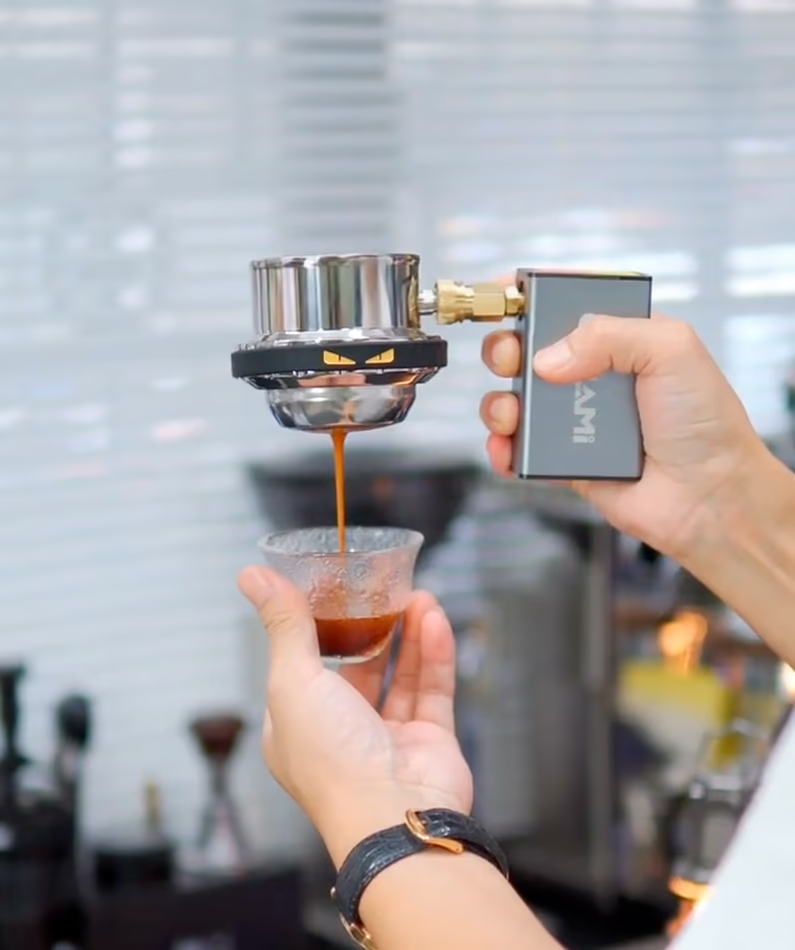
Pneumatic - Mini
$109.00
Shop Now →Quick Fixes for Trailside Pressure Drops
If your recoil test fails on the trail, don't panic. Nine times out of ten, chamber pressure loss isn't a broken machine—it's trapped coffee grit or dry gaskets.
1. Disassemble the chamber and rinse the rubber O-rings with clean water to remove micro-grounds. 2. Wipe the interior walls dry. 3. Apply a tiny drop of food-safe silicone lubricant (or a smear of natural coffee oils) to restore the seal.
Running this quick recoil test before leaving home ensures you never suffer a flat shot when you're miles from the nearest coffee shop. Perfect pressure means rich crema, wherever the journey takes you.
Got questions? Want to chat about your perfect espresso setup?