

The Portable Espresso Leak Audit: How to Diagnose and Fix Air and Water Pressure Drops
During one of my early ViBrew testing trips in the windy backwoods, my manual pump completely lost pressure right as I hit the sweet spot. That trailside disaster taught me that seal checks are non-negotiable. If you prefer brewing off-grid with simple pressing and no electricity, gear like the
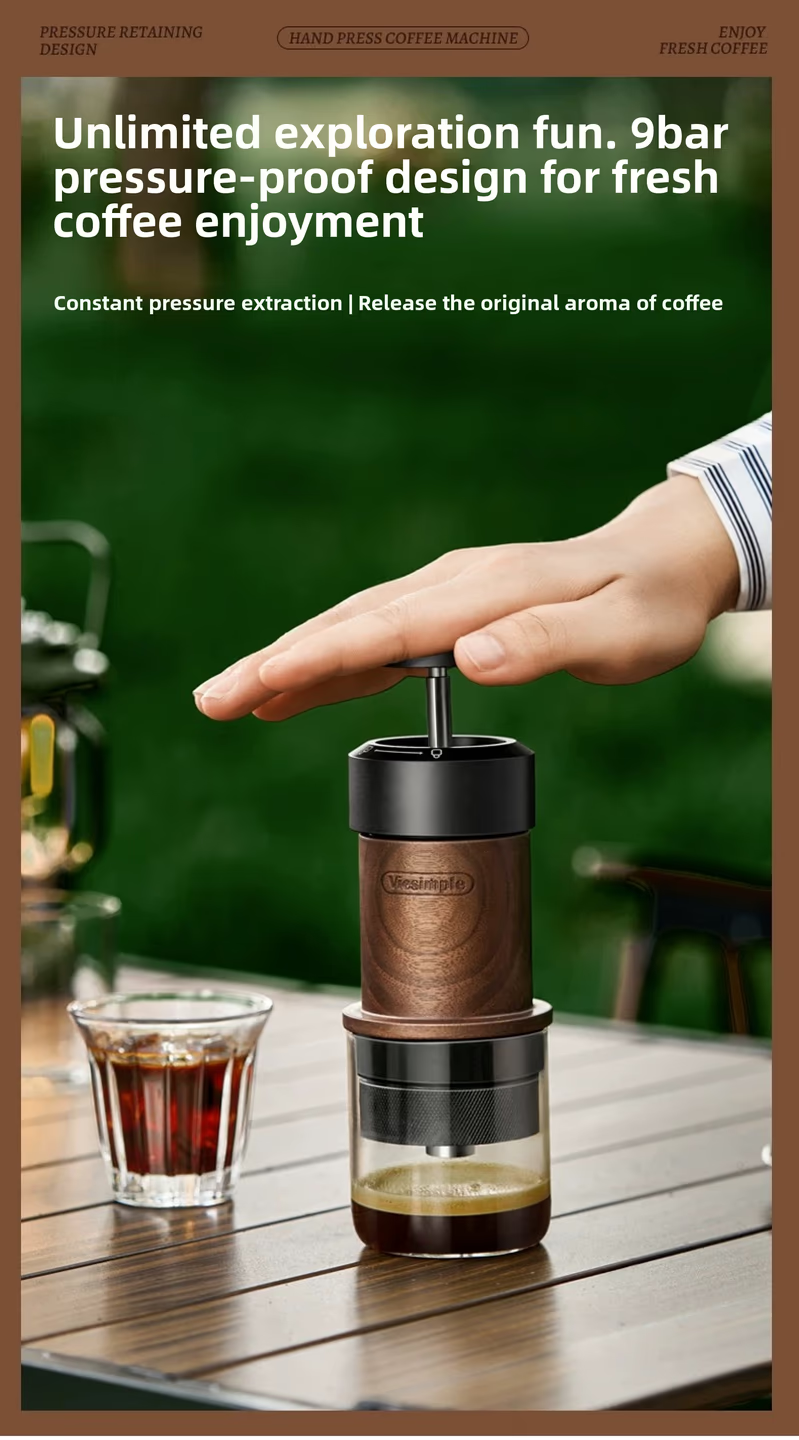
Nomads - Pulse
$139.00
Shop Now →The Portable Espresso Leak Audit: Diagnosing the Drop
Pressure drops usually stem from two main culprits: worn O-rings or misaligned chamber threads.
Air Pressure Bleed: If you feel zero resistance while pressing or pumping, trapped air is escaping. Check the internal silicon gaskets for micro-tears, grit, or coffee dust buildup. Water Leakage: If hot water drips down the outside of the barrel instead of forcing through the coffee bed, your main brew chamber isn't seated tightly against the seal.
To avoid complex seal failures, minimalist hardware is a massive advantage. For example, the
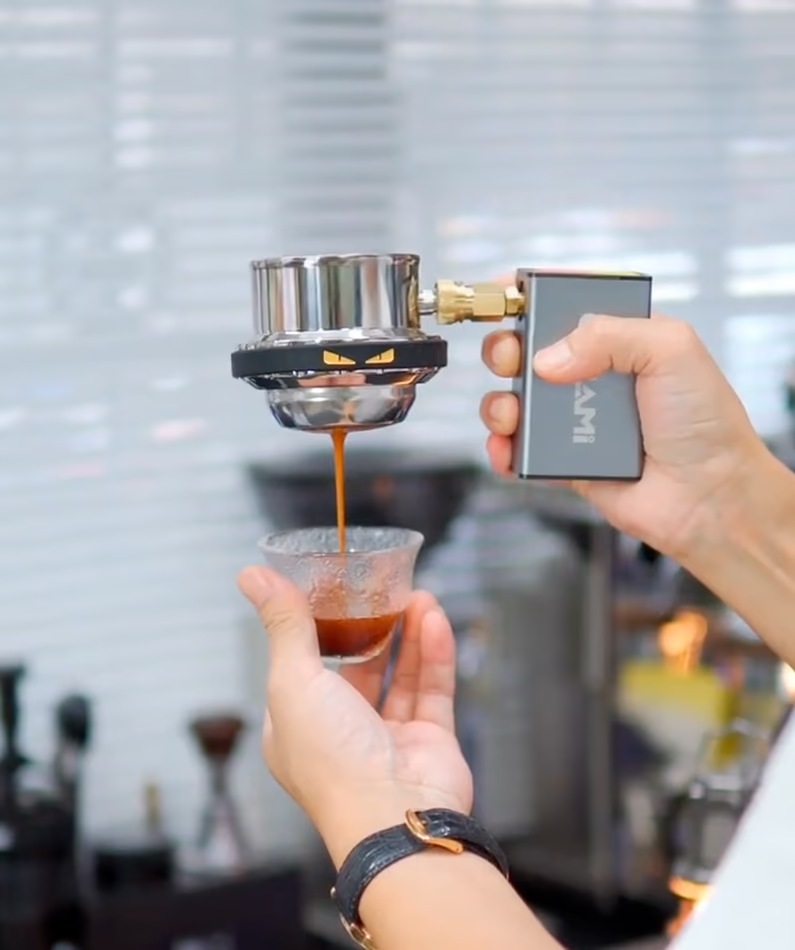
Pneumatic - Mini
$109.00
Shop Now →Quick Fixes for Air and Water Pressure Drops
1. Rinse Gaskets Thoroughly: Fine grounds stuck along rubber seals break the vacuum. Wipe down every ring after each brew. 2. Apply Food-Grade Lubricant: A tiny dab of food-safe silicone grease keeps O-rings supple and prevents dry air leaks. 3. Align Threads Carefully: Never force caps shut. Cross-threading warps the body and creates permanent pressure leaks.
Perform this routine audit, keep your seals clean, and you will lock in thick crema wherever the road takes you.
Got questions? Want to chat about your perfect espresso setup?