
The Pre-Infusion Water Volume Blueprint: How Reservoir Fill Levels Change Pressure Resistance in Manual Espresso Makers
During a recent off-grid trip high in the wilderness, I was tinkering with shot consistency over an open campfire. I noticed that when using completely manual gear like the
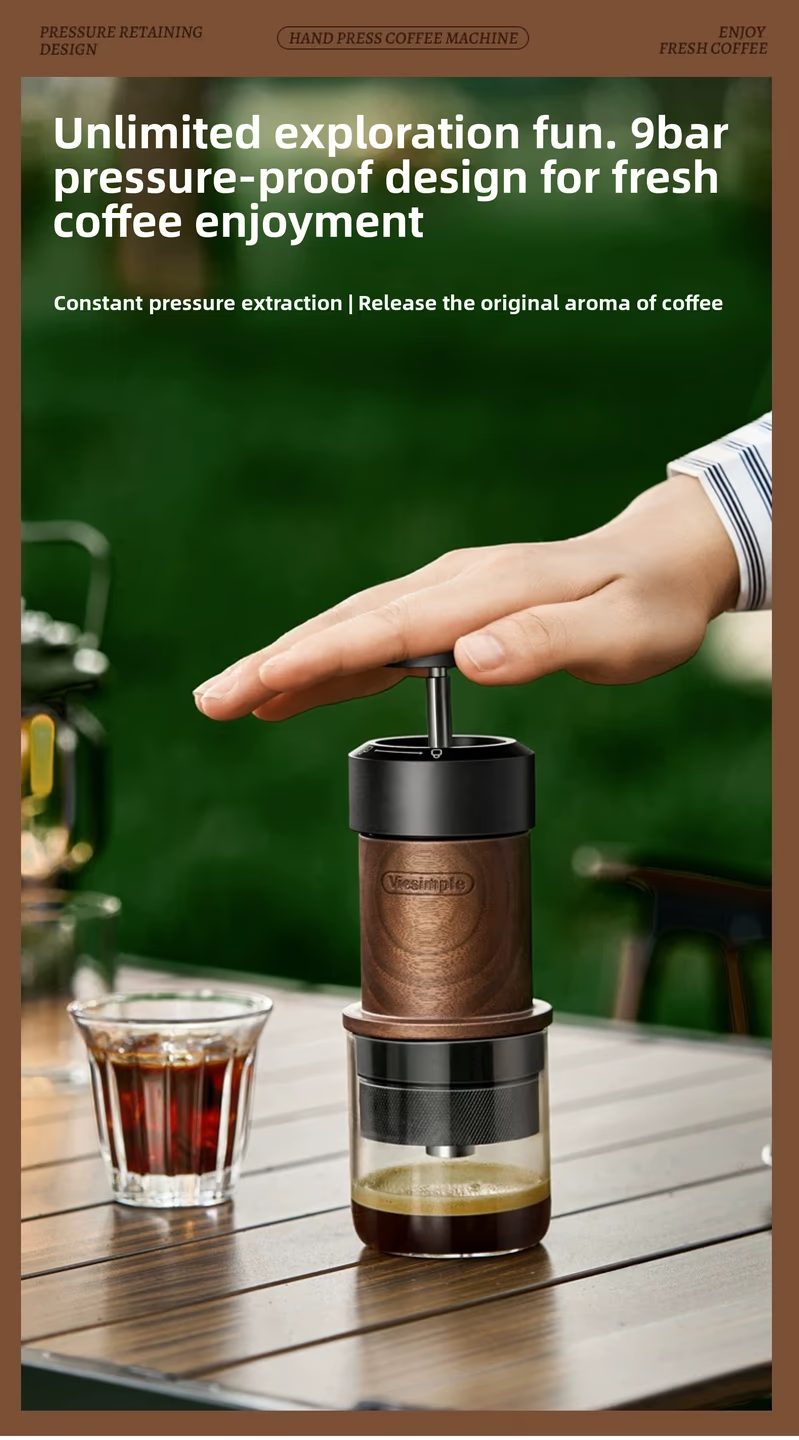
Nomads - Pulse
$139.00
Shop Now →The Pre-Infusion Water Volume Blueprint: Air Cushion vs. Hydraulic Resistance
Here is the breakdown of the blueprint: hot water doesn't compress, but air does. If you fill your manual espresso reservoir only halfway, that remaining air pocket acts like a soft pneumatic spring. As you begin your manual press, your initial force is wasted compressing trapped air rather than gently soaking the coffee puck during pre-infusion.
Conversely, filling your water chamber to capacity eliminates air space, creating immediate, 1:1 hydraulic resistance. That is why minimalist manual tools like the
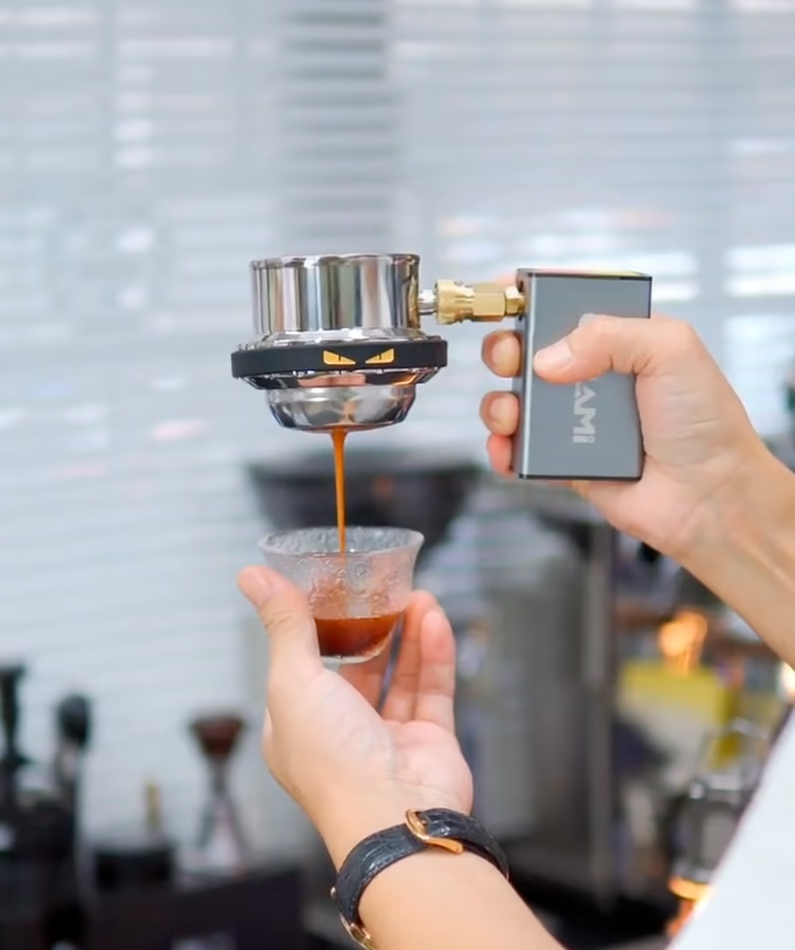
Pneumatic - Mini
$109.00
Shop Now →How to Dial In Your Manual Shots
To control pressure resistance and stop channeling, keep your fill levels strict:
Max Fill (Minimal Headroom): Delivers rapid pressure transfer, perfect for fine grinds that need high, immediate pre-infusion pressure. Partial Fill (Large Headroom): Softens your initial push, creating a longer, cushioned pre-infusion ramping phase.
Mastering this simple relationship between water volume and pressure resistance is the secret to extracting sweet, cafe-quality espresso wherever your journey takes you.
Got questions? Want to chat about your perfect espresso setup?