
the sub-zero o-ring seal: how to prevent air leaks in manual espresso makers on winter trails
During a freezing backcountry trip in the Cascades, I learned this lesson the hard way when a prototype lost pressure instantly in the snow. Sub-zero temperatures cause rubber gaskets to stiffen and contract, breaking the tight fit required to build proper pressure. When you're brewing off-grid with gear like the
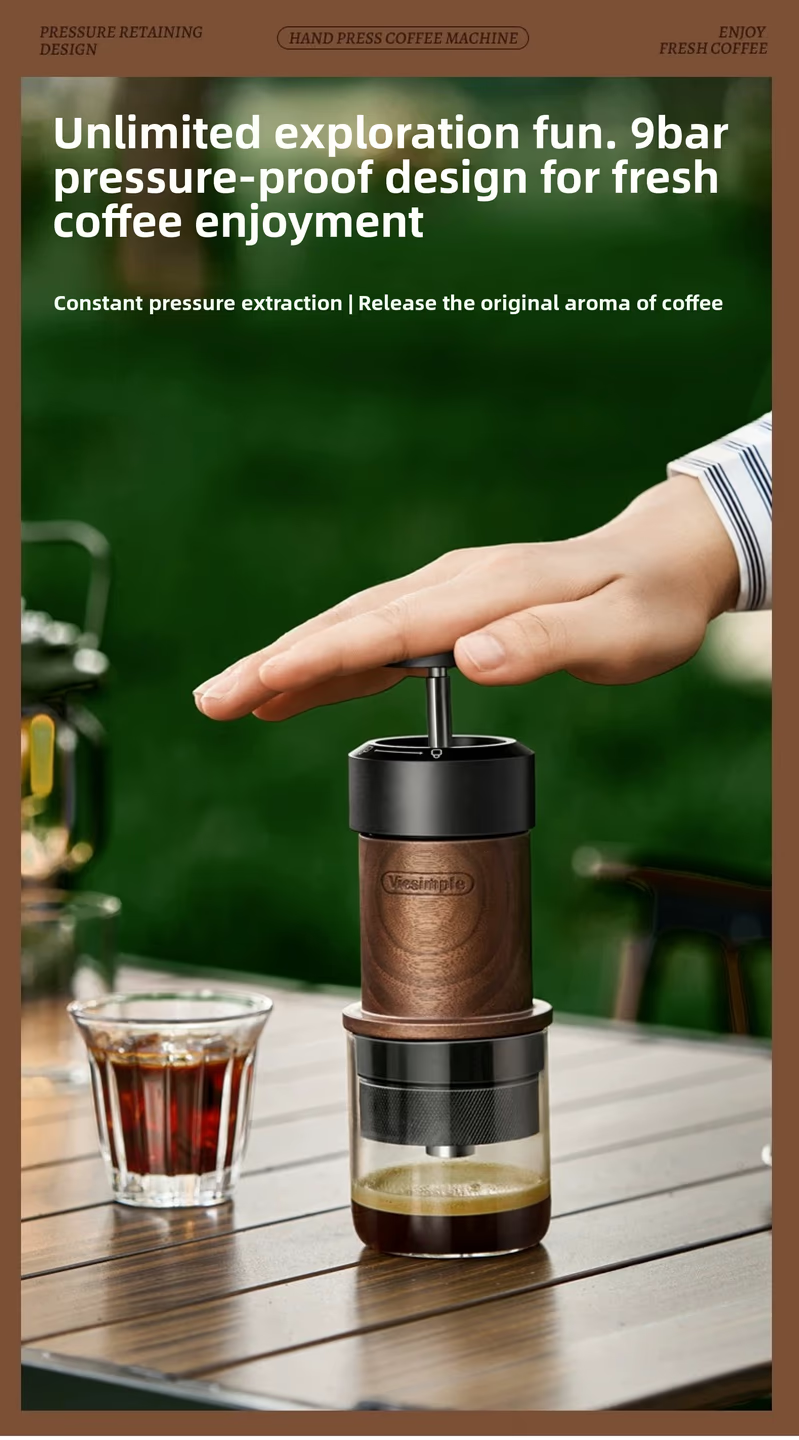
Nomads - Pulse
$139.00
Shop Now →Mastering the Sub-Zero O-Ring Seal on Winter Trails
Preventing seal failure in freezing weather comes down to simple thermal management and preventative care:
Body-Heat Warmup: Keep your brewer’s seal assembly inside your insulated jacket while setting up camp. Never leave rubber gaskets exposed to sub-zero windchill prior to brewing. Thermal Expansion Pre-Heat: Always run a quick warm-water pre-heat cycle through the chamber before adding coffee grounds. The warmth causes the material to expand back to its optimal sealing diameter. * Food-Grade Silicone Grease: Applying a microscopic layer of food-safe silicone lubricant keeps seals pliable in sub-zero temps and prevents air from escaping along microscopic surface cracks.
For winter campers who demand hardcore style and serious coffee capability on the trail, the
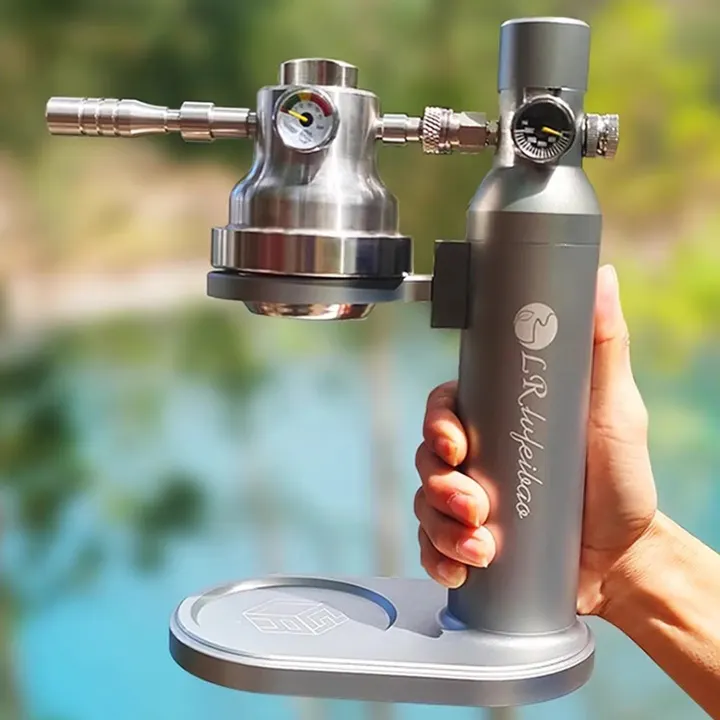
Pneumatic - Ultra
$299.00
Shop Now →Don't let freezing trail conditions ruin your morning ritual. Protect your seals, keep your gear warm, and keep chasing great espresso wherever the trail leads.
Got questions? Want to chat about your perfect espresso setup?