
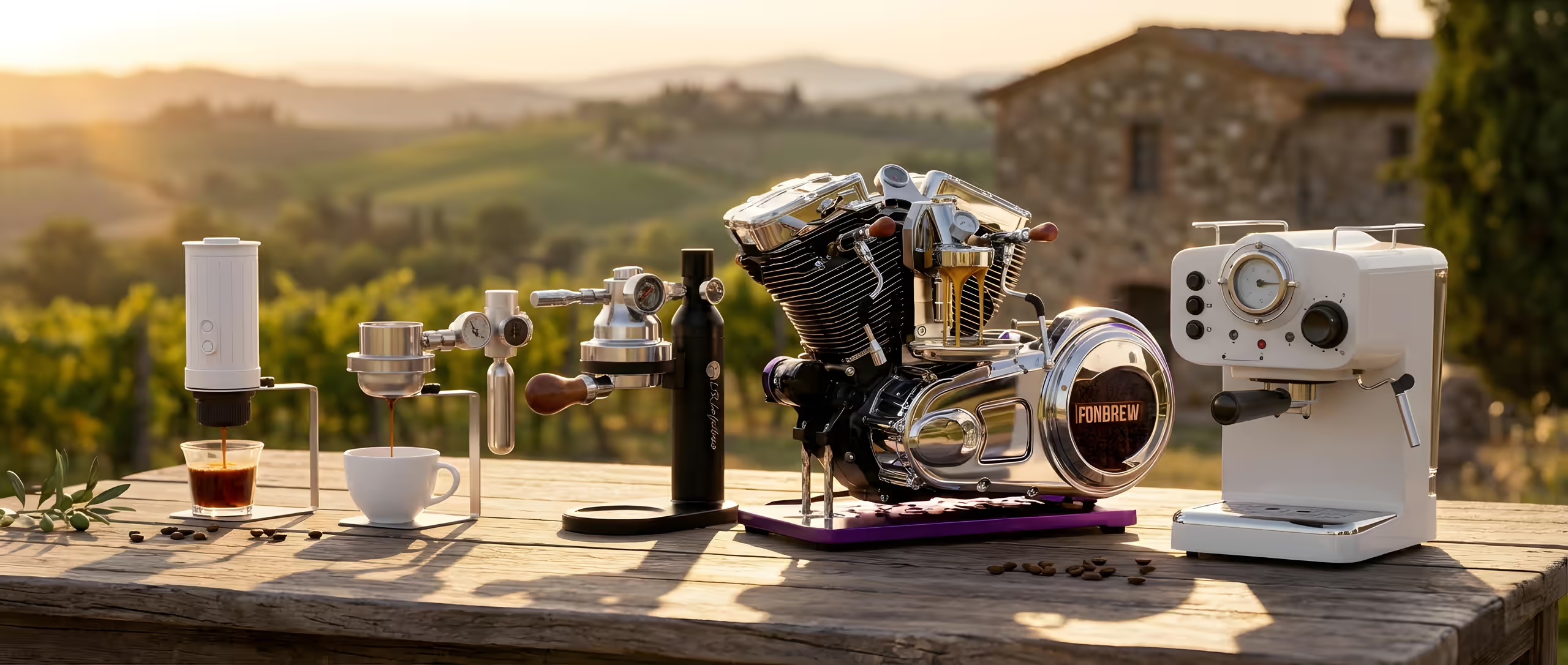

the sub-zero pressure drop: how freezing temperatures affect manual espresso seals and how to fix it
When ambient temperatures plunge, rubber and silicone O-rings stiffen and contract. This micro-shrinkage breaks the airtight seal required to build true extraction pressure. For off-grid adventurers brewing with manual gear like the
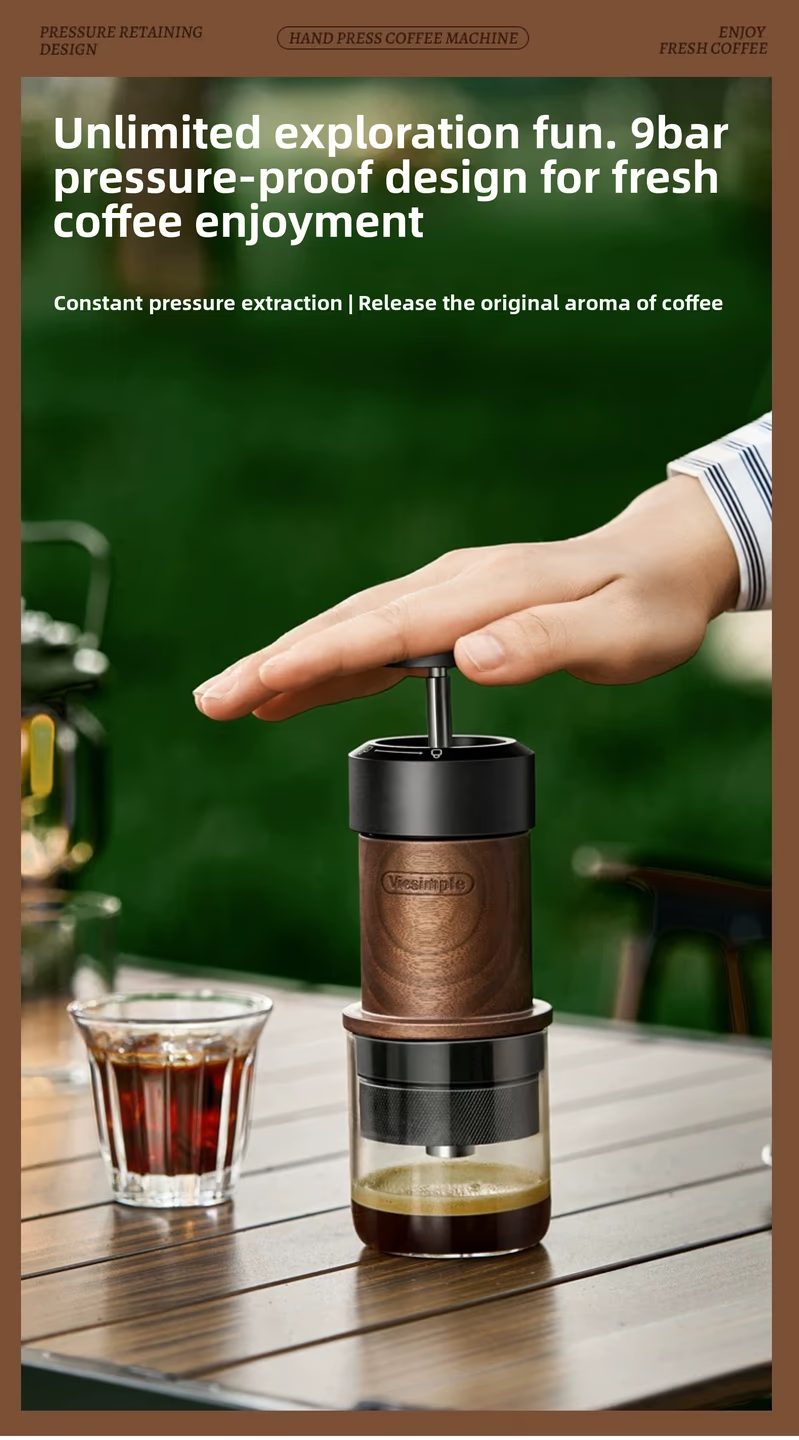
Nomads - Pulse
$139.00
Shop Now →The Sub-Zero Pressure Drop: Why Gaskets Fail in the Cold
Manual espresso relies on precise tolerances. When an icy metal or composite body meets boiling water, two things happen: 1. Thermal Shock: The sudden temperature spike expands the chamber wall faster than the cold rubber gasket can adapt. 2. Loss of Elasticity: Sub-zero cold turns flexible food-grade silicone brittle, stopping it from expanding against the chamber walls to hold 9+ bars of pressure.
The result is a sudden pressure bleed, leaking water, and ruined crema.
How to Fix Winter Seal Failure
You don't need to leave your portable setup at home when winter hits. Here is how we maintain solid pressure on frozen trails:
Pre-heat relentlessly: Never pour hot water straight into a freezing chamber. Run a flush of hot water through your machine first. This softens internal seals and brings the body up to operating temperature. Keep seals lubricated: Apply a microscopic layer of food-grade silicone grease to your O-rings. It keeps moisture out and maintains flexibility in negative temperatures. * Streamline your kit: Ultra-minimalist designs give freezing air fewer places to breach. Gear like the
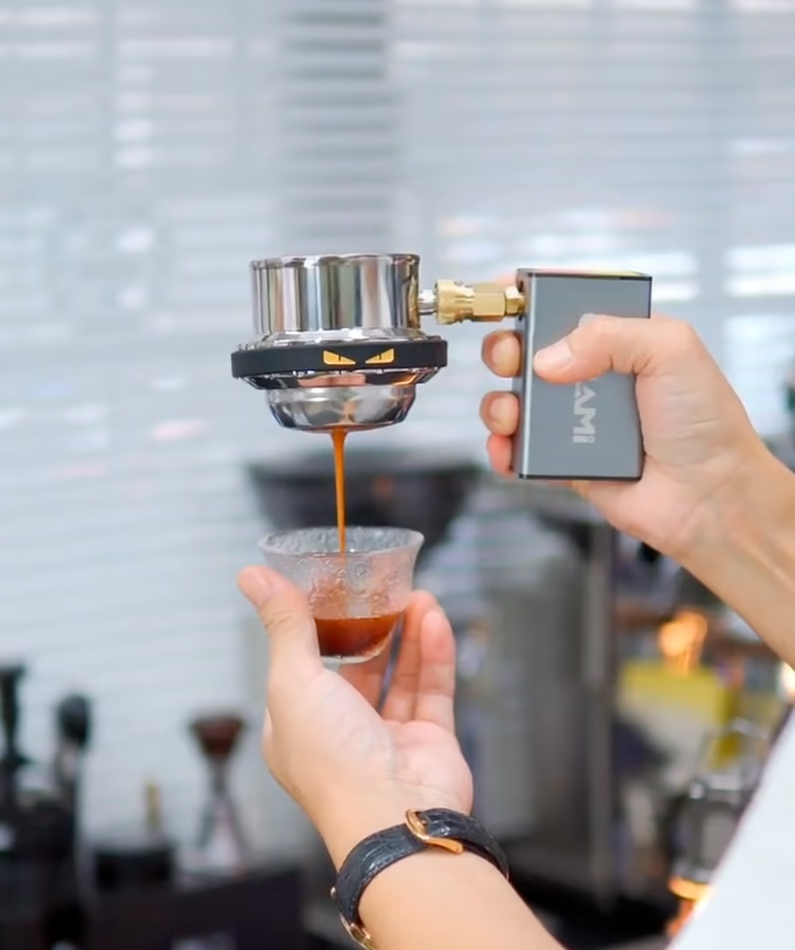
Pneumatic - Mini
$109.00
Shop Now →With a proper pre-heat routine and well-maintained seals, you can defeat the sub-zero pressure drop and pull rich, heavy-crema shots anywhere on the map.
Got questions? Want to chat about your perfect espresso setup?