
Thermal Conductivity Breakdown: Plastic vs. Aluminum vs. Stainless Steel Portable Espresso Bodies
October 30, 2026
Hey, Jayton here. Early in the ViBrew journey, while shivering on a windy mountain ridge trying to pull a decent shot, I learned a crucial lesson: dialing in water temperature means nothing if your brewer's body steals all the heat. A complete thermal conductivity breakdown: plastic vs. aluminum vs. stainless steel portable espresso bodies is the secret to extracting rich crema in cold environments.
Thermal Conductivity Breakdown: Plastic vs. Aluminum vs. Stainless Steel
Thermal conductivity measures how quickly heat transfers through a material. When brewing off-grid, this dictates how much energy is lost before water hits your coffee puck.
Plastic & High-Tech Polymers
BPA-free plastics have very low thermal conductivity. They act as insulators, meaning they suck minimal heat away from your brew water. This makes them ideal for self-heating portable setups. For ultimate efficiency, the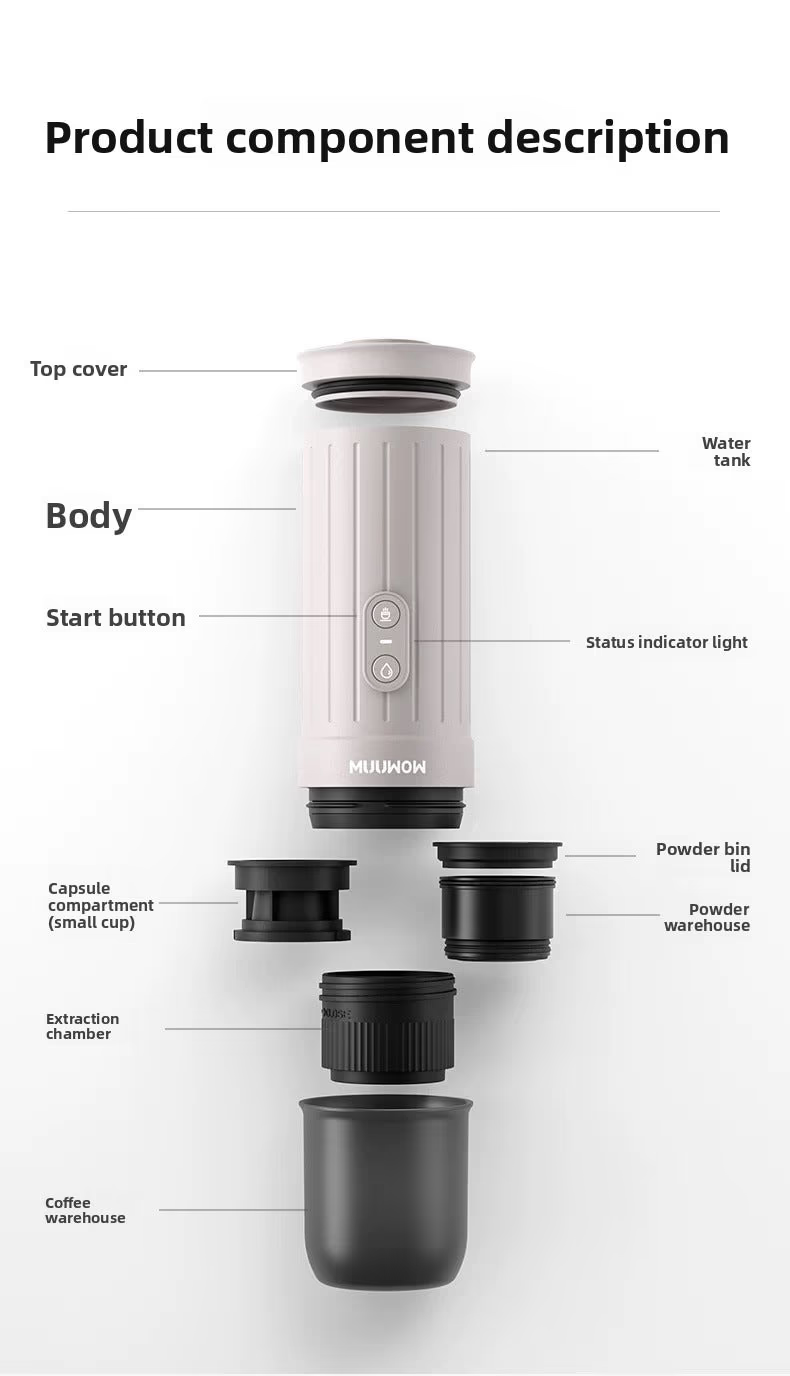
Nomads - Ember
$159.00
Shop Now → delivers one-touch espresso with auto-heating in an ultra-portable frame, ensuring calm, clarity, and temperature stability in one motion.
Aluminum Alloys
Aluminum has extremely high thermal conductivity. It heats up nearly instantly, but it also bleeds heat into freezing ambient air just as fast. It requires thorough preheating or external insulation to prevent sour, under-extracted shots on the trail.Choosing Mechanical Metal Bodies for the Trail
Stainless Steel
Stainless steel offers moderate thermal conductivity. While it takes slightly more thermal energy to warm up than plastic—often requiring a quick preheat flush—it holds its thermal mass remarkably well once hot. More importantly, steel offers unmatched structural durability when dropped on granite.If you prefer unyielding durability and zero electronics, simple mechanical designs are the way to go. Built with hardcore style, the
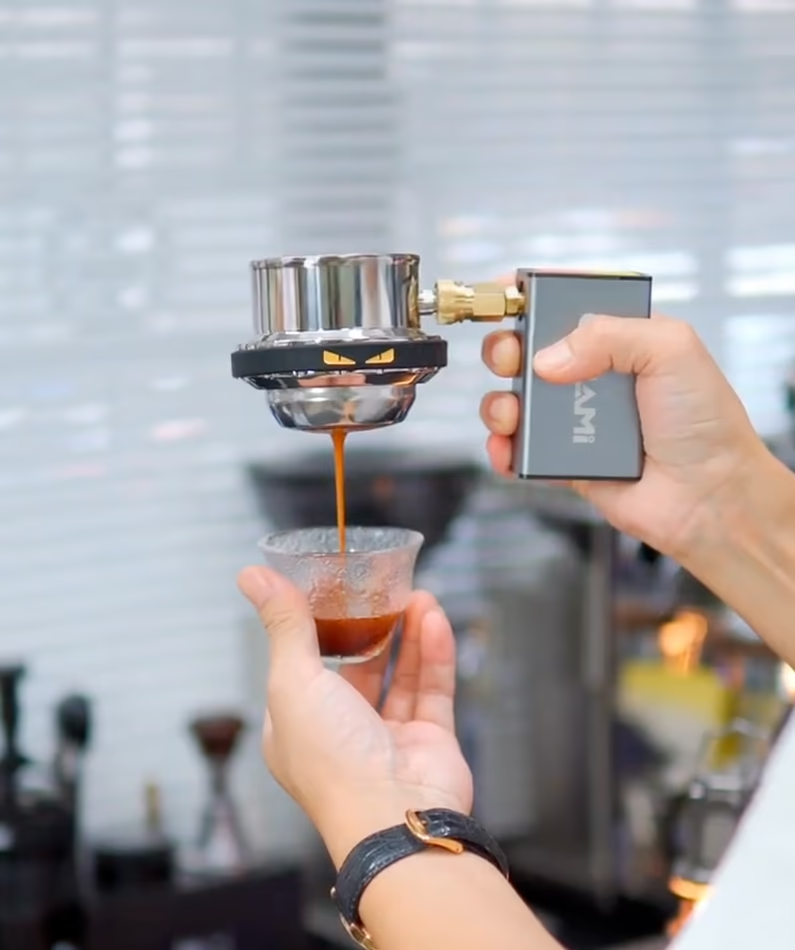
Pneumatic - Mini
$109.00
Shop Now → uses 2 parts, 1 press to deliver minimal steps and maximum attitude without needing an outlet or battery.
The Verdict
Choose lightweight plastics or insulated synthetics if you want effortless heat retention without preheating. Choose stainless steel or heavy metals if durability and raw mechanical pressure are your top priorities. Match your thermal needs to your adventure, and never settle for lukewarm espresso again.
Got questions? Want to chat about your perfect espresso setup?